IMREC Publications
The idea was born after ICOM General Conference, Kyoto 2019, between ICOM and the Shanghai University in China, to implement Resolution 2 of the General Assembly to integrate Asia into the ICOM Community.
It is a partnership created to encourage museums all over the world to engage in a more diverse, inclusive, and democratic cultural dialogue and collaboration among ICOM and the global museum community.
ICOM-IMREC also provides research and exchange knowledge opportunities for ICOM members from all around the world, especially those young museum leaders from the emerging countries.
ICOM-IMREC’s objective are, in accordance with ICOM’s missions:
- to stimulate a global think tank and an international network;
- to address critical theoretical and practical issues that the international museum community is facing;
- to promote cross-geographical and interdisciplinary collaborations for scientific research on current and emerging issues commonly shared by the museum community;
- to publish data analysis and research reports.
 The report ‘Decrease in Public Funding? A Worldwide Answer from Museums’ reveals a persistent global decline in public funding for museums and offers valuable insights into how institutions across different regions and cultural contexts are responding. It presents a comprehensive look at alternative funding models and adaptation strategies, contributing to the global dialogue on sustainable cultural financing.
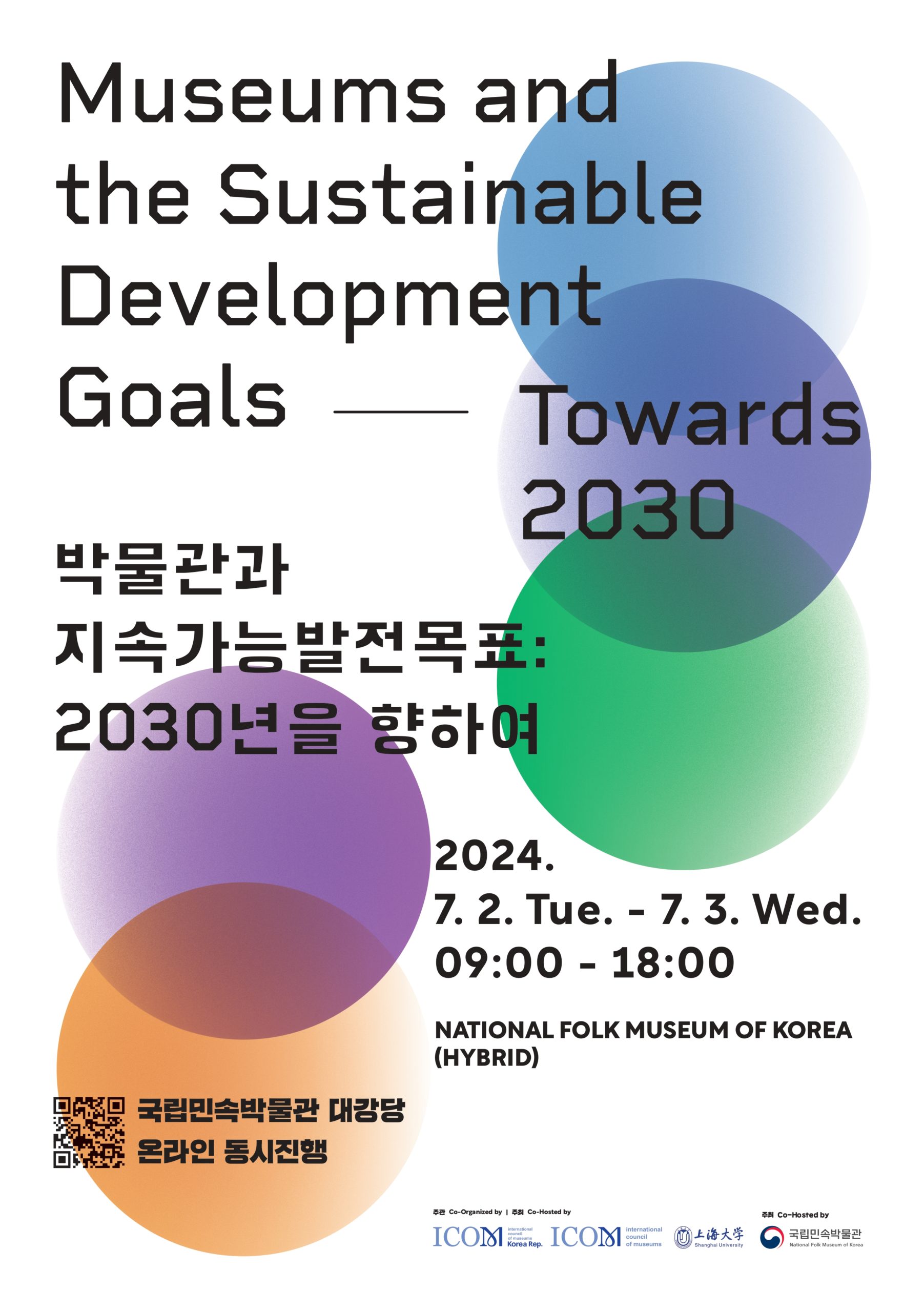 The ICOM-IMREC Museums and Sustainability Conference held from July 2-3, 2024, at the National Folk Museum of Korea in Seoul, was a great success, attracting more than 2000 participants. Bringing together museum professionals, sustainability advocates, and policymakers from around the world, the event highlighted the pivotal role museums play in achieving the Sustainable Development Goals (SDGs) Agenda 2030.
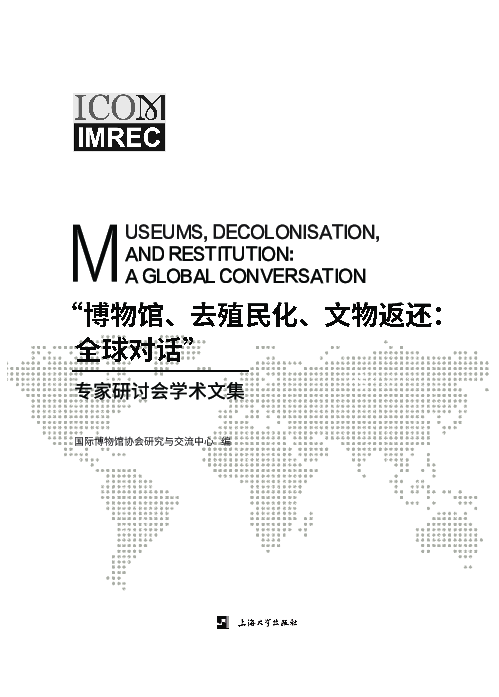 The publication Museums, Decolonisation and Restitution: A Global Conversation is a collection that brings together international scholars and museum professionals to examine the complex challenges of decolonising museums and returning cultural artifacts. It highlights how colonial histories have shaped museum collections and emphasizes the need for ethical reflection, social justice, and collaboration with source communities. Through case studies and theoretical discussions, the volume explores practical strategies for rethinking museum practices, addressing historical injustices, and fostering more inclusive and equitable cultural institutions worldwide